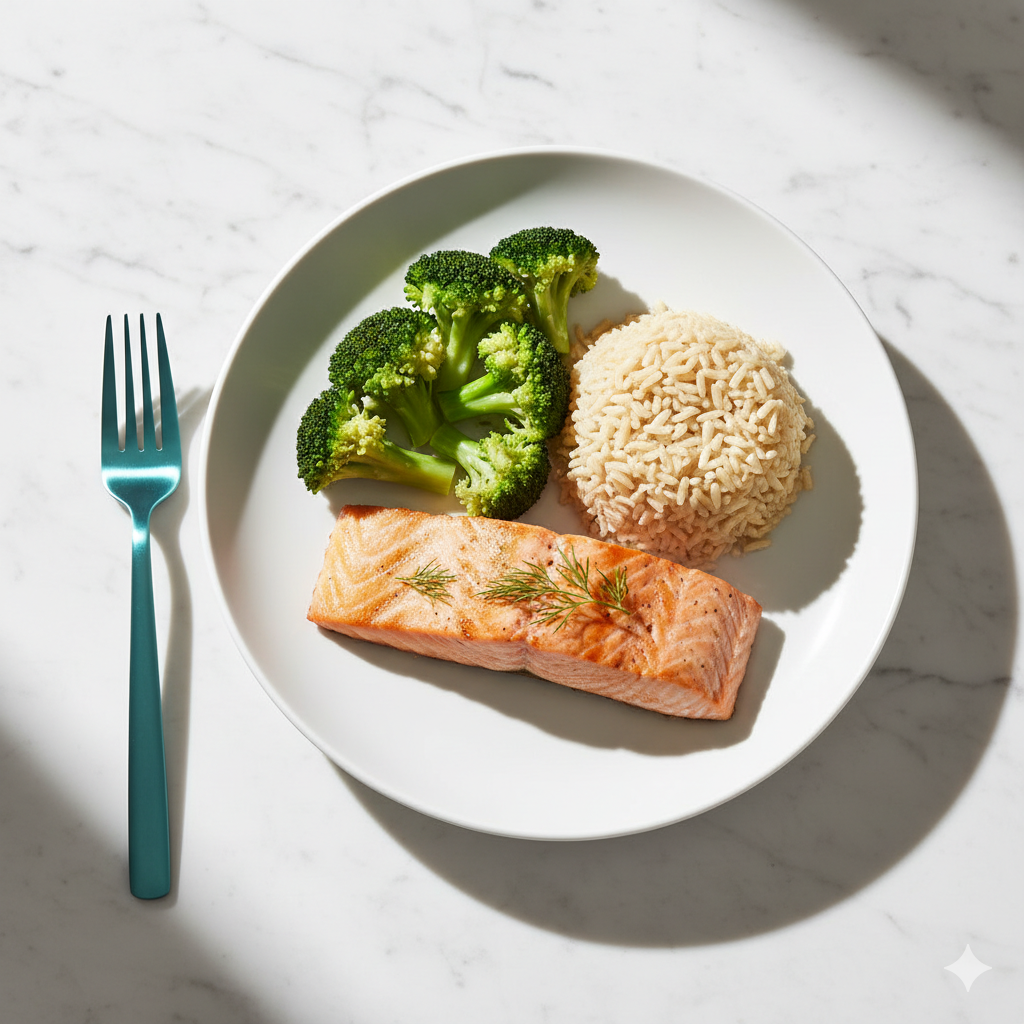
Navigating the world of nutrition can often feel like trying to solve a complex puzzle where the pieces are constantly shifting. At the heart of this puzzle lies one of the most frequently asked questions in health: what is the ideal calorie intake for me? Whether you are looking to shed a few pounds, build lean muscle, or simply maintain your current weight, understanding how many calories your body requires is a fundamental step toward achieving your goals. It is important to approach this topic with a sense of curiosity and self-compassion, recognising that your body is a unique biological system that deserves to be nourished correctly rather than restricted harshly.
In modern society, we are often bombarded with generic numbers, such as the standard suggestion of 2,000 calories for women and 2,500 for men. While these figures provide a helpful starting point for public health guidelines, they rarely reflect the specific needs of an individual. Your ideal calorie intake is influenced by a myriad of factors including your age, height, activity level, and metabolic health. By exploring the science behind energy balance and learning how to listen to your body’s signals, you can move away from the frustration of guesswork and toward a lifestyle that supports your vitality and long-term wellness.
What is the Ideal Calorie Intake?
The concept of an ideal calorie intake is based on the principle of energy balance. Calories are simply units of energy that fuel every single function in your body, from the beating of your heart to the complex thoughts in your brain. When we talk about an "ideal" intake, we are referring to the amount of energy you need to consume to support your specific physical goals while maintaining optimal health. If your goal is to maintain your current weight, your ideal intake is your "maintenance calories," where the energy you consume matches the energy you expend through daily movement and internal biological processes.
However, the word "ideal" also implies quality, not just quantity. While the numerical value is important for weight management, the source of those calories determines how you feel, how your hormones function, and how much energy you have throughout the day. A diet consisting of 2,000 calories from whole, nutrient-dense foods will have a vastly different effect on your body than 2,000 calories from highly processed sources. Therefore, finding your ideal intake involves balancing the mathematical requirements of your metabolism with the nutritional requirements of your cells, ensuring that you are providing your body with the building blocks it needs to thrive. understanding nutrient density
Factors That Influence Your Daily Energy Needs
No two people have the exact same energy requirements because our bodies are influenced by a wide variety of internal and external factors. One of the most significant variables is your basal metabolic rate, which is the amount of energy your body burns at rest just to keep you alive. This is largely determined by your lean muscle mass; muscle is more metabolically active than fat, meaning that two people of the same weight might have different calorie needs if one has a higher muscle-to-fat ratio. Genetics also play a role, as some individuals naturally have a swifter metabolism than others.
Age is another crucial factor to consider. As we grow older, our metabolism tends to slow down, partly due to hormonal changes and a natural decline in muscle tissue. This means that your ideal calorie intake in your fifties may be lower than it was in your twenties. Additionally, your daily activity level—both formal exercise and general movement like walking and cleaning—dictates how much extra fuel you need. Even your height plays a role, as taller individuals generally require more energy to maintain their larger frames. Recognising these factors helps you understand why your nutritional needs are as unique as your fingerprint. how metabolism changes with age
Calculating Your Basal Metabolic Rate and TDEE
To find your personal starting point, you must first calculate your Basal Metabolic Rate (BMR) and your Total Daily Energy Expenditure (TDEE). Your BMR represents the calories burned if you were to stay in bed all day, while your TDEE adds the energy used for physical activity and the digestion of food. Most professionals use the Mifflin-St Jeor equation to estimate these figures, but for ease of use, you can find a calorie calculator online that performs these calculations for you based on your height, weight, and age. This provides a baseline number from which you can adjust based on your specific health objectives.
Once you have your TDEE, you have a clear picture of your maintenance level. If you are highly active, your TDEE will be significantly higher than someone with a sedentary office job. It is important to be honest about your activity levels when using these tools to get the most accurate results. Remember that these calculations are estimations; they provide a brilliant scientific starting point, but you may need to fine-tune your intake based on how your weight and energy levels respond over several weeks. By understanding these metrics, you take the first step toward a data-driven, empowered approach to your nutrition.
Ideal Calorie Intake for Healthy Weight Loss
If your goal is to reduce your body mass, your ideal calorie intake must be slightly lower than your TDEE, creating what is known as a calorie deficit. For most people, a modest deficit of 300 to 500 calories per day is the most effective and sustainable way to lose weight. This gentle approach allows for a steady loss of roughly 0.5kg per week, which is the rate most likely to result in permanent change rather than temporary "water weight" loss. It also ensures that you have enough energy to remain active and prevents your body from entering a protective "starvation mode" that slows down your metabolism. sustainable weight loss tips
It is vital to avoid extreme calorie restriction. Consuming too few calories can lead to muscle loss, hormonal imbalances, and intense hunger that eventually triggers binge eating. Your ideal weight loss intake should still feel nourishing and satisfying. By prioritising high-fibre vegetables and lean proteins, you can eat a large volume of food while staying within your calorie target. This helps you lose weight without feeling like you are constantly battling your appetite. Think of weight loss as a marathon rather than a sprint; a consistent, moderate deficit is far more successful in the long run than a drastic, short-term cut.
How to Eat for Muscle Gain and Weight Maintenance
For those looking to build muscle or improve athletic performance, the ideal calorie intake is typically a "calorie surplus." This means consuming slightly more than your TDEE—usually an extra 200 to 300 calories per day—to provide the body with the energy required to synthesise new muscle tissue. Without this surplus, your body may struggle to recover from intense workouts and build strength. However, it is important that these extra calories come from high-quality sources, particularly protein, to ensure that the weight gain is primarily lean muscle rather than excess body fat. beginners guide to resistance training
Weight maintenance is equally important and often represents the final stage of a health journey. When you reach your target weight, your ideal calorie intake shifts back to your TDEE. This is the stage where you learn to balance your intake with your activity levels for the long term. Maintenance is not about being stagnant; it is about finding a flexible rhythm where you can enjoy your favourite foods and social occasions while keeping your weight stable. By monitoring your progress and adjusting your intake as your lifestyle or activity levels change, you can stay in this healthy "maintenance zone" for years to come.
The Role of Macronutrients and Food Quality
While the total number of calories determines your weight, the balance of macronutrients—proteins, fats, and carbohydrates—determines your body composition and how you feel. Your ideal calorie intake should be distributed in a way that supports your physical needs. Protein is essential for tissue repair and satiety, healthy fats are crucial for hormone production and brain health, and carbohydrates provide the primary fuel for your brain and muscles. Striking the right balance between these three ensures that your calories are working for you, not just filling you up.
Food quality is the final piece of the puzzle. A diet rich in whole foods—such as fruits, vegetables, whole grains, and lean proteins—provides the vitamins, minerals, and fibre that processed foods lack. Fibre is particularly important because it slows down digestion, helping you feel fuller for longer and preventing the blood sugar spikes that lead to energy crashes and cravings. When you focus on high-quality, nutrient-dense foods, you often find that you naturally gravitate toward your ideal calorie intake without having to count every single gram. Nutrition is about nourishing your life, and choosing the best fuel is the ultimate act of self-care.
Frequently Asked Questions
Do I need to track my calories every single day?
While tracking can be an incredibly helpful tool, especially when you are first learning about portion sizes and the energy density of different foods, it does not have to be a lifelong commitment. Many people find that tracking for a few weeks provides them with the "nutritional literacy" they need to make better choices intuitively. Once you have a good handle on what your ideal portions look like, you can move toward a more flexible approach. The goal of tracking should be to educate yourself, not to create an obsessive relationship with numbers.
Why does my weight fluctuate even if I stay within my ideal calorie intake?
It is perfectly normal for your weight to fluctuate by 1kg or 2kg from day to day, regardless of your calorie intake. These changes are usually due to water retention, which can be caused by salt intake, hormonal cycles, or even a tough workout that causes temporary muscle inflammation. It is also important to remember that your weight can be affected by the timing of your last meal and your hydration levels. Instead of focusing on daily scale changes, look at the overall trend over several weeks to get an accurate picture of your progress.
What should I do if I feel constantly hungry on my target calories?
If you are consistently hungry, it is worth looking at the quality of your calories rather than just the quantity. Ensure you are getting enough protein and fibre at every meal, as these are the two components most responsible for making you feel full. You might also find it helpful to drink more water, as thirst is often mistaken for hunger. If you are still struggling, your calorie deficit may be too aggressive, and you might need to increase your intake slightly to make your plan more sustainable. A successful plan is one that you can stick to without feeling miserable.
Should I eat back the calories I burn during exercise?
This is a common point of confusion. Most calorie calculators already factor in your activity level when they provide you with your TDEE. Therefore, if you have already accounted for your exercise in your initial calculation, you do not need to "eat back" those calories. Furthermore, fitness trackers often overestimate the amount of energy burned during a workout. A safer approach is to stick to your calculated target and only adjust your intake if you notice that your energy levels are consistently low or if you are losing weight much faster than the recommended 0.5kg per week.
Understanding your ideal calorie intake is a powerful way to take control of your health and reach your personal goals. By combining scientific calculations with an focus on food quality and a compassionate mindset, you can create a sustainable lifestyle that makes you feel your absolute best.