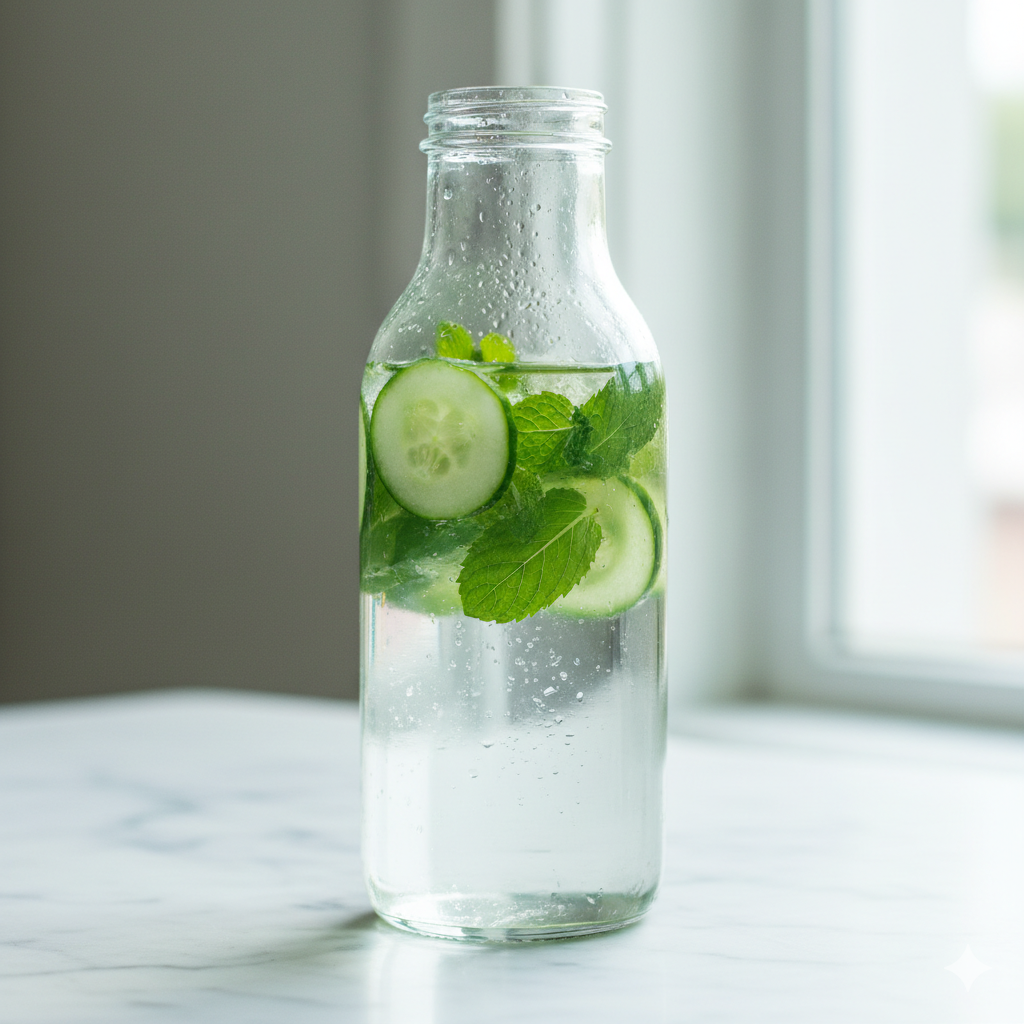
Water is the silent engine of your metabolism. While the "8 glasses a day" rule is a popular baseline, true optimal hydration is deeply personal, influenced by your unique biology and environment.
Why Generic Advice Often Fails
The human body is roughly 60% water. This fluid is responsible for temperature regulation, joint lubrication, nutrient transport, and waste removal. However, a 120-pound office worker in a temperate climate has vastly different needs than a 200-pound athlete training in the humidity. Using a water calculator allows you to move past guesswork and into precision health.
Step 1: Input Your Core Weight
Most water calculators start with your body weight. A standard biological baseline is to consume approximately 0.5 to 1 ounce of water for every pound you weigh. For a 150-pound individual, this translates to 75–150 ounces daily. The calculator does the heavy lifting of these conversions for you, often providing results in both liters and cups.
Step 2: Account for Physical Exertion
Sweat is your body's primary cooling mechanism, but it comes at a fluid cost. When using a hydration tool, you should add roughly 12 ounces of water for every 30 minutes of intense exercise. If you are training for a marathon or engaging in high-intensity interval training (HIIT), these numbers scale significantly to prevent performance-sapping dehydration.
Step 3: Factor in Your Environment
Altitude and humidity are often overlooked hydration variables. At higher altitudes, your body breathes more rapidly to compensate for lower oxygen levels, leading to increased fluid loss through respiration. Similarly, dry desert climates or heated indoor environments in winter can strip moisture from your skin and lungs silently.
Track Your Vitality
Combine your hydration tracking with BMI awareness for a holistic view of your metabolic health.
Use Our Free BMI CalculatorRecognizing the Signs of Dehydration
Even with a perfect plan, it is essential to listen to your body's biofeedback. Early signs of fluid deficiency include mild headaches, a decrease in cognitive focus, and unexplained fatigue. By the time you feel "thirsty," your body is often already 1-2% dehydrated, which can impact physical performance by as much as 10%.
Sustainable Habits for Daily Success
Precision is nothing without consistency. To reach the targets set by your calculator, try "front-loading" your hydration—drinking a large glass of water immediately upon waking. Use a reusable bottle with time markers, and supplement your fluid intake with water-rich foods like cucumbers, celery, and watermelon.
Ready to optimize your entire health profile?
Get The Vitality Code on Amazon